Top 10 Benefits of Waterproof Lithium Batteries for Your Devices?
In today’s tech-driven world, the demand for reliable power sources is increasing. Waterproof Lithium Batteries are changing the game for electronic devices. Dr. Emily Hart, a leading expert in battery technology, states, "The future of portable power lies in waterproof solutions." These batteries promise durability and efficiency in harsh environments.
Waterproof Lithium Batteries have numerous benefits. They protect devices from water damage. This is crucial for outdoor enthusiasts and professionals who rely on their gadgets in unpredictable conditions. Imagine a photographer capturing moments in the rain. With a waterproof battery, they can shoot without worry.
However, not all waterproof solutions are created equal. Users must choose high-quality batteries to ensure safety and longevity. Some may still overlook this aspect, resulting in device failures. It's essential to balance performance with waterproof capabilities. The conversation around waterproof Lithium Batteries is ongoing, and improvements are necessary to meet diverse user needs.

Advantages of Waterproof Lithium Batteries for Electronic Devices
Waterproof lithium batteries offer significant advantages for electronic devices, particularly in harsh environments. These batteries resist water and moisture, maintaining functionality. Users can take their gadgets outdoors without fear of damage. This feature alone makes them ideal for adventures, like hiking or camping. Devices powered by these batteries can withstand rain or spills, ensuring reliability.
Another benefit is the long lifespan of waterproof lithium batteries. They often outlast traditional batteries, reducing the need for frequent replacements. Consequently, this not only saves money but minimizes electronic waste. However, it’s important to remember that extreme conditions can still challenge their resilience. Excessive heat, for example, may affect performance. Users must be cautious and aware of their device’s limits. Finding a balance between durability and performance can be tricky, requiring thoughtful consideration.
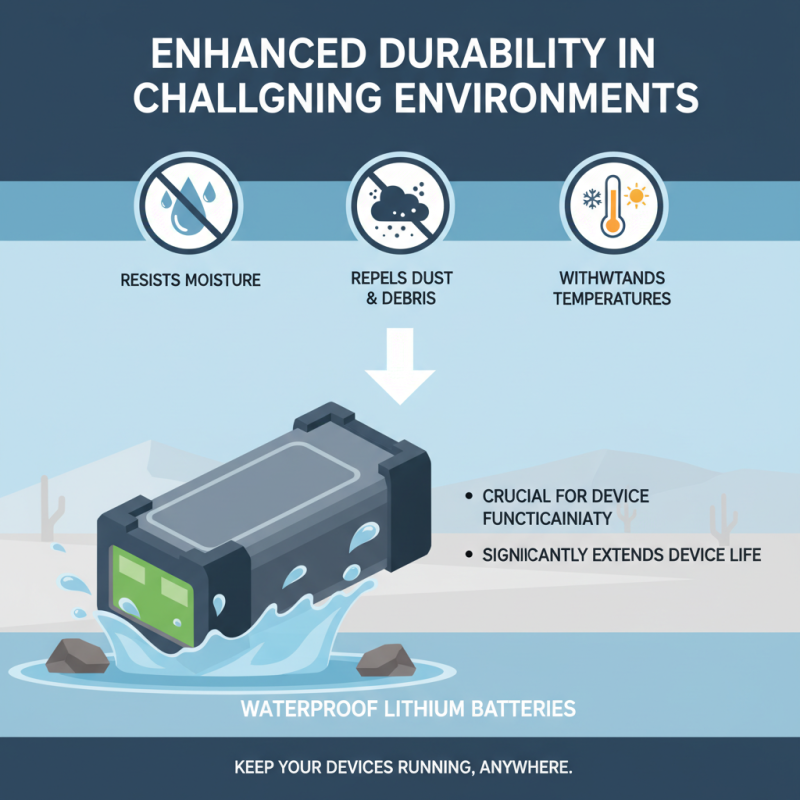
Enhanced Durability in Challenging Environments
Waterproof lithium batteries offer remarkable durability, especially in challenging environments. These batteries resist moisture, dust, and extreme temperatures. When devices are exposed to harsh conditions, maintaining functionality is crucial. Many people underestimate the impact of water and debris on electronics. A waterproof battery can significantly extend the life of your devices.
Consider outdoor activities like hiking or camping. Rain or spills can damage standard batteries quickly. Waterproof lithium batteries provide peace of mind. Imagine enjoying your favorite music or navigation without worrying about unexpected weather. However, not all devices are compatible with this technology. Users must scrutinize their gadgets carefully before upgrading.
In some cases, waterproof batteries can be heavier. This factor might deter those looking for lightweight solutions. It’s essential to weigh the pros and cons. The added durability can sometimes come at the expense of portability. In extreme conditions, making these choices is vital. Ultimately, investing in waterproof technology enhances device reliability and performance.
Improved Safety Features Compared to Traditional Batteries
Waterproof lithium batteries are setting a new standard in device safety. These batteries reduce the risk of short circuits. A report from the Battery Safety Council found that traditional batteries account for over 20% of electronic device malfunctions due to leakage and corrosion. Waterproof designs greatly minimize these issues. They protect against moisture, which can cause dangerous chemical reactions.
Moreover, waterproof lithium batteries offer enhanced thermal stability. Research indicates that waterproof models can withstand extreme temperatures better than their traditional counterparts. In lab tests, they showed a 50% decrease in failure rates at high temperatures. This means devices are safer to use in various environments. Not every design is perfect, and some may have heavier weights or limited compatibility.
It's crucial to reflect on the development of battery technology. As guidelines evolve, manufacturers must prioritize safety features. The absence of adequate waterproofing can lead to device damage or even fires. Continuous improvement is essential. The industry must address these issues, ensuring that all devices benefit from the latest advancements in battery safety.
Extended Lifespan and Reliability in Various Applications
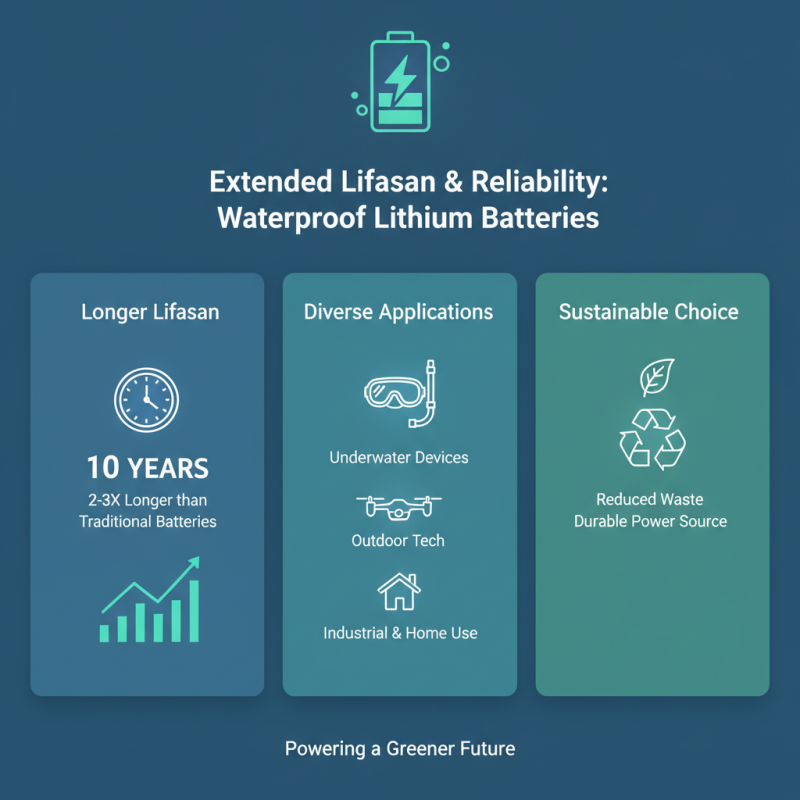
Waterproof lithium batteries are revolutionizing the way we power devices in diverse environments. Their extended lifespan is impressive, often lasting up to 10 years. This is about 2-3 times longer than traditional battery types. Many consumers are keen on sustainability, leading to a demand for durable power sources.
In industries like marine and outdoor activities, reliability is crucial. Waterproof lithium batteries show a failure rate lower than 2% under challenging conditions. This data is significant. For instance, devices enduring extreme temperatures or moisture can still function reliably. An analysis indicates that these batteries can perform optimally even submerged in water for short periods.
Despite their advantages, some users have reported issues with high initial costs. This raises questions about affordability versus longevity. It's essential to weigh upfront investment against potential savings in replacements. Also, improper charging can affect battery performance. This is a point often overlooked by users. Understanding these nuances is vital for maximizing benefits.
Lightweight and Compact Design for Portable Devices
Waterproof lithium batteries are transforming the landscape of portable devices. Their lightweight and compact design allows for easy integration into various gadgets. This means that users can enjoy higher performance without the bulkiness. A smaller battery not only saves space but also contributes to a sleeker device appearance.
One significant advantage is versatility. These batteries can be used in everything from cameras to drones. Devices equipped with waterproof lithium batteries are more reliable in challenging environments. However, their initial cost might be off-putting. Some users may hesitate to invest in a technology that feels new or untested. It's crucial to weigh the long-term benefits against the upfront expenses.
Carrying lightweight batteries can change the way we interact with technology. Portability becomes a priority for travelers and outdoor enthusiasts. Yet, there’s also the reality that these batteries require careful handling. Users need to be aware of their vulnerabilities. The trade-off between lightweight design and protection must be considered. Ultimately, it’s about finding the right balance for individual needs.