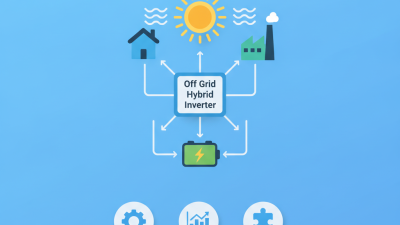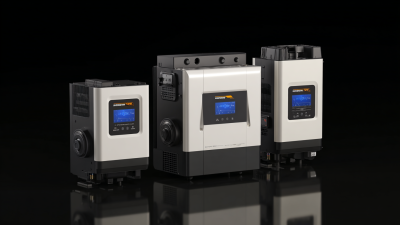
Finding the best China Off Grid Hybrid Inverter supplier requires more than comparing prices or attractive product photos. A dependable supplier should demonstrate practical experience with solar storage systems, rural electrification projects, and unstable grid conditions. Their engineers should explain how the inverter manages solar input, battery charging, generator support, and household loads.
Real performance matters.
A suitable Off Grid Hybrid Inverter should match your battery voltage, solar array size, and expected peak demand. Check MPPT operating ranges, continuous output power, surge capacity, conversion efficiency, and protection functions. Ask whether the unit supports lithium iron phosphate and lead-acid batteries. Communication options, such as CAN or RS485, can simplify battery monitoring. An IP-rated enclosure may also matter in dusty workshops or humid coastal areas.
The supplier’s quality process deserves equal attention. Request test reports, traceable serial numbers, firmware information, warranty terms, and clear after-sales procedures. Independent certification evidence should be verified, rather than accepted from a sales brochure. Factory audits, sample testing, and video inspections can reveal details that marketing often misses. Ask about spare parts, response times, and technician training.
No supplier is flawless.
Even experienced manufacturers may have inconsistent documentation or slow communication during busy seasons. That weakness should be discussed openly. A careful comparison should consider engineering support, production consistency, safety testing, and long-term service. The best choice is not always the cheapest factory. It is the supplier that can prove reliable operation, communicate honestly, and support the inverter after installation.
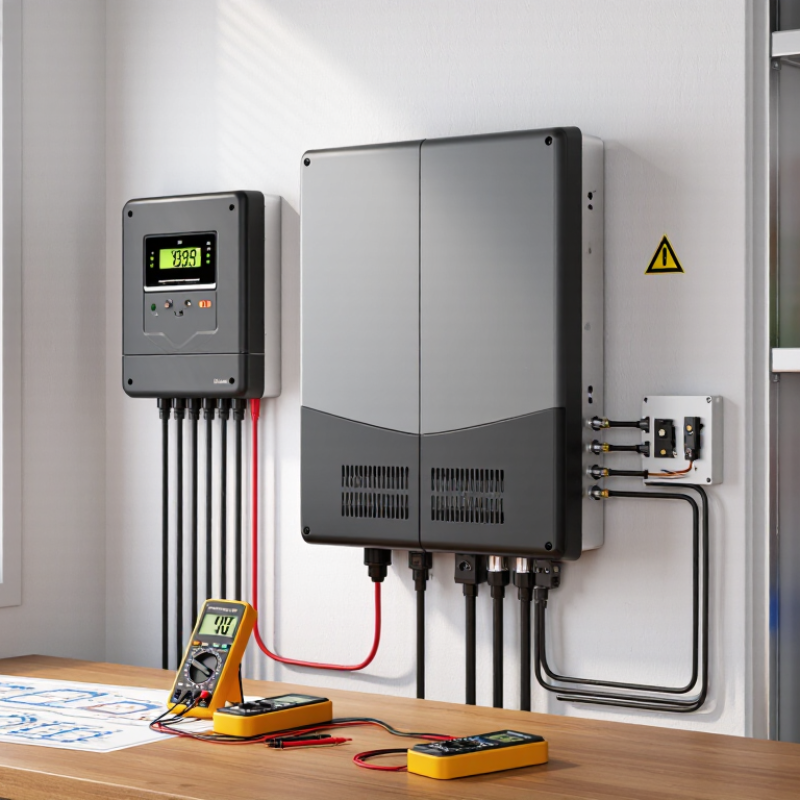
A capable China off-grid hybrid inverter supplier should offer more than competitive pricing. It should understand how power behaves outside the laboratory. Reliable suppliers explain battery chemistry, solar input limits, backup loads, and generator integration clearly. Their engineers can calculate daily energy use from actual appliances, not optimistic estimates.
Practical evidence matters. Ask for factory inspection records, electrical safety reports, load-test data, and traceable quality procedures. A serious supplier should verify MPPT performance under cloudy conditions and test transfer times during sudden load changes. Clear manuals should show wiring limits, cooling requirements, fault codes, and communication settings. Technical support must remain available after installation, especially when an inverter operates in a remote workshop or rural home.
Field installers also examine warranty terms, spare-part access, and firmware support. These details often reveal the supplier’s real capability. A supplier may promise excellent efficiency, yet provide weak low-temperature performance. That gap deserves careful questions. Request sample testing with your battery, solar array, and expected loads. Do not rely only on a polished specification sheet. Site conditions can expose problems that factory demonstrations miss. Even experienced buyers sometimes underestimate surge power from pumps, refrigerators, or welding equipment. A dependable supplier admits these limits and helps correct the design before shipment.

A 48V battery system is a practical foundation for many off-grid homes and workshops. At 5 kW, the inverter draws about 105 amps from the battery. At 10 kW, that demand can exceed 210 amps after conversion losses. Thick, correctly sized cables and dependable protection are essential.
Real loads rarely behave neatly. A refrigerator may use little energy while running, yet its compressor needs a strong starting surge. Water pumps, power tools, and induction cookers can create similar pressure.
A 5 kW inverter suits lighting, refrigeration, communications equipment, and moderate kitchen loads. A 8–10 kW model offers more headroom for pumps, workshop tools, or several appliances operating together.
Do not size only from the inverter label. Measure daily energy use, starting current, battery capacity, and available solar input. The battery management system must support the expected continuous and peak current. Temperature also matters; cold batteries may deliver less power. In practical installations, loose terminals and undersized cables cause more trouble than expected. I have also seen systems chosen with generous inverter power but too little battery storage. That design works briefly, then voltage falls under load. A careful supplier should provide test data, wiring guidance, protection recommendations, and realistic surge figures rather than promising maximum output alone.
Choosing the best off-grid hybrid inverter supplier starts with numbers that survive real conditions. A 98% peak efficiency rating means only two percent of input power is lost at the ideal operating point. In a field installation, battery voltage, cable length, temperature, and partial shading change that result. During a sunny test, I have seen excellent readings fall when the battery approached full charge. Peak figures are useful, but they are not the whole story.
A 99% MPPT efficiency rating measures how effectively the inverter tracks the solar array’s maximum power point. This matters when clouds pass quickly or panels face different directions. Better tracking can harvest small energy gains throughout the day. Those gains may run a refrigerator at night or reduce generator use. The detail is practical. Ask for test conditions, load ranges, and independent verification. A supplier should provide clear data, installation guidance, and responsive technical support. Vague charts deserve careful questions.
Reliability also depends on thermal design, firmware stability, surge handling, and battery communication. An inverter that reaches 98% once may perform poorly in a hot equipment room. I would inspect warranty terms, service procedures, and documented field experience before comparing quotations. There is a less comfortable point: efficiency claims can encourage oversized expectations. A system still needs correct panel sizing and realistic daily-load calculations. Measure performance after installation, because real data often challenges the spreadsheet.
When evaluating an off-grid hybrid inverter supplier, certification evidence matters more than polished product photos. Buyers should request the complete IEC 62109 test report, not only a certificate page. IEC 62109-1 covers general safety requirements for power converters. IEC 62109-2 addresses particular requirements for inverters. Check the exact model number, rated voltage, output power, firmware scope, and report revision. A missing model suffix can create a serious compliance gap.
IP65 also needs careful verification. It indicates protection against dust and water jets under specified test conditions. It does not mean the inverter can withstand flooding, condensation, or outdoor exposure without correct installation. Ask for the relevant IEC 60529 test evidence, enclosure photographs, gland details, and mounting instructions. Look for realistic cable entries and sealed covers. Small gaps matter.
EMC documentation should identify the test standards, limits, test setup, and operating conditions. Relevant IEC 61000 series tests may include conducted emissions, radiated emissions, electrostatic discharge, and immunity. Verify that the report covers the final hardware configuration. An old report may not represent a revised circuit board. I would also confirm the laboratory’s accreditation and report authenticity independently. Paperwork can still be incomplete. Supplier responses should be specific, traceable, and technically consistent.
Choosing a China-based off-grid hybrid inverter supplier requires more than comparing prices. A five-year warranty may look attractive, but its conditions matter more. Check whether it covers the inverter, display, cooling fan, and replacement labor. Ask about warranty exclusions, response times, and repair procedures. A reliable supplier should provide serial-number tracking and clear written terms.
Tips: Request test reports from recognized laboratories. Verify applicable safety, EMC, and grid-related standards for your destination market. Ask for production test records, burn-in procedures, and sample inspection results. A 5kW inverter should be tested under realistic loads, not only in a quiet showroom. Check performance with a 48V battery bank, sudden load changes, and high-temperature conditions.
Export support often decides whether a project succeeds. Confirm packaging dimensions, spare-parts availability, customs documents, manuals, and firmware-update procedures. Experienced suppliers can explain container loading and recommend protective materials for long sea transport. Still, documents can be incomplete, and technical translations may contain small errors. Review them with an installer before shipment. A ten-year warranty is useful only when the supplier remains reachable. Ask for an escalation contact, regional service process, and written replacement timelines. Do not rely on promises made only through chat.