Choosing the right Lithium Battery 200ah 48v can be challenging. There are many options available in the market. Each choice comes with its own features and specifications.
When selecting a battery, consider your specific needs. Think about capacity, usage duration, and recharge times. A 200ah capacity provides substantial power for various applications. It’s important to evaluate how long you need the battery to last.
Don’t overlook factors like weight and size. These can affect portability and installation. Many users find themselves confused by the technical details. Not all brands deliver what they promise. Take time to research and read reviews. A wise choice today will benefit you in the long run.
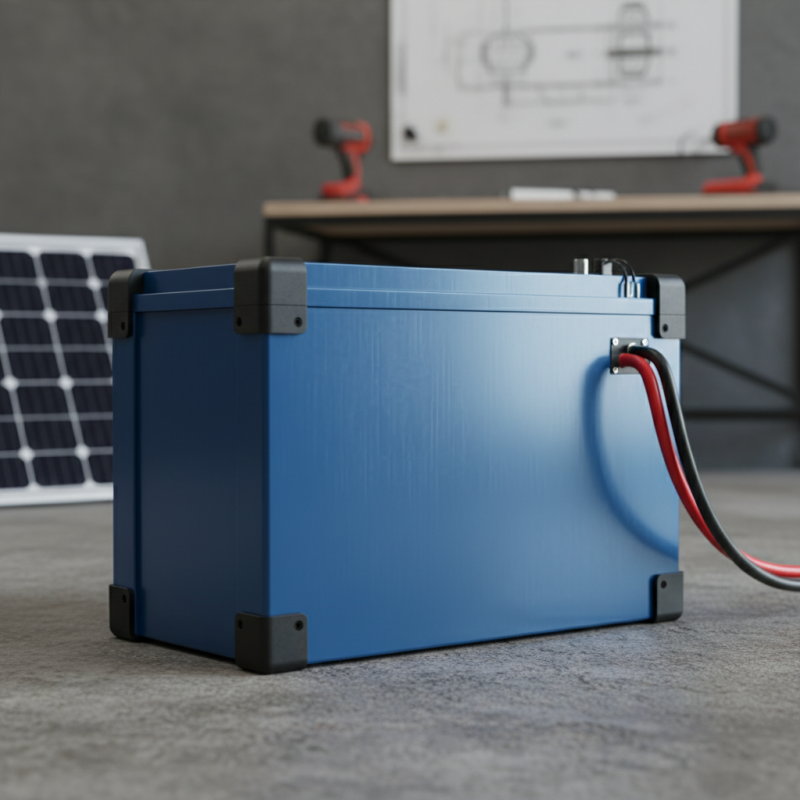
When selecting a 200ah 48v lithium battery, it’s crucial to understand its basics. These batteries offer a high energy density, allowing for longer usage times. They are widely used in renewable energy systems, electric vehicles, and marine applications. Lithium batteries like these are lighter and more efficient compared to lead-acid batteries. However, improper usage can lead to issues.
Tips: Always check the battery's depth of discharge (DoD). A higher DoD can lower lifespan. Aim for batteries with a DoD of about 80% for longevity. Monitor temperature and avoid extreme conditions. Extreme heat or cold can degrade performance.
Battery management systems are essential. They help balance charging and discharging cycles. Lack of a good system can lead to early failure. Look for batteries with integrated protection features. This ensures safety and reliability.
Tips: Research the warranty. A longer warranty often indicates confidence in the battery’s quality. Read reviews from other users. Real-world experiences can give insights into performance. Proper configurations and setups are vital. They can greatly impact efficiency and battery life.
Choosing the right 200ah 48v lithium battery requires careful consideration of several key factors. Capacity is important, but so is weight and size. A heavy battery might be durable, but it could be difficult to transport. Also, check the dimensions. Ensure it fits your available space. This is often overlooked, leading to frustration.
Another key factor is the discharge rate. How quickly will you need to access the stored energy? Understanding your energy needs helps. Look at the voltage stability too. A stable voltage ensures efficiency. Additionally, consider the battery life. Some batteries last longer than others. But a longer life might also mean a higher initial cost. Weigh these aspects.
Warranty is another consideration. A good warranty indicates manufacturer confidence. Battery management systems are crucial. They protect the battery from overcharging and discharging. Finally, think about the intended use. Different applications can influence your choice. Reflection on these factors can lead to a more informed decision.
When evaluating your energy needs, consider your daily usage. Write down all devices you plan to power. This can include lights, appliances, and tools. For instance, a refrigerator may use 180-300 watts per hour. Smaller devices like phones and laptops consume less, often around 15-50 watts each.
Next, assess how long these devices will run daily. A continuous load of 200 watts for 10 hours requires significant battery capacity. If your total daily usage is around 5 kWh, you’ll need a battery system that supports such demands.
Don’t forget to think about peak usage times and standby loads. Some appliances might need extra power during startup. Adding this variability can complicate your calculations. Be patient as you refine your energy consumption habits. A trial and error approach might reveal unexpected needs. Take notes and adjust as necessary to find what truly fits your lifestyle.
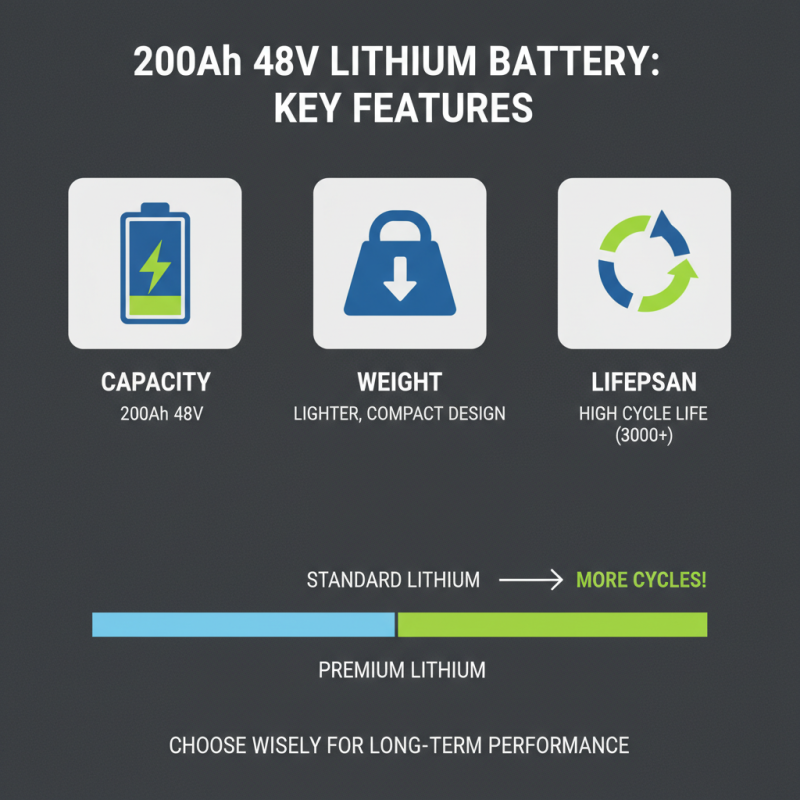
Choosing the right 200ah 48v lithium battery is crucial for your needs. Evaluating the features and specifications can be daunting. The battery's capacity, weight, and lifespan are key factors to consider. Look for a battery with a higher cycle life. This means it can be charged and discharged more times before losing capacity.
Pay attention to the dimensions. Ensure it fits in your desired space. A compact design is ideal for limited areas. Weight is also important. A lightweight battery eases transport and installation. However, ensure it maintains performance. Batteries that seem too light might have compromised capacity.
Tip: Check the discharge rate. A higher rate often means better performance under load. Additionally, monitor the warranty. It reflects the manufacturer's confidence in their product.
Think about the application—solar power, RVs, or marine use can require different features. Do some research to understand what you truly need. Reflect on your usage conditions. Sometimes, a lower capacity battery might suffice. When in doubt, consult with experts for insights tailored to your situation.
When evaluating cost and warranty options for a 200ah 48v lithium battery, it’s essential to look closely at both factors. The initial price can be tempting, but consider the long-term investment. Batteries with lower upfront costs might lack durability. This can lead to higher replacement costs sooner than expected. Shop around for batteries that balance affordability with longevity.
Warranty terms are a crucial aspect to evaluate. A solid warranty can indicate the manufacturer's confidence in their product. Look for warranties that last several years and cover various issues. Some warranties may even include performance guarantees. Don't overlook the details in warranty conditions; limitations can affect your overall experience. A shorter warranty period often signals potential reliability issues.
Consider how the cost reflects the expected lifespan. A more expensive option might serve you better in the long run. Check user reviews for insights. Many users share their experiences with battery longevity. Sometimes, overlooked details in reviews reveal important information about performance. Approach your choice with reflection and awareness of your specific needs. Each battery has strengths and weaknesses. Understanding them can lead to a more satisfied purchase.
This chart compares the cost and warranty periods of various 200Ah 48V lithium batteries, helping you evaluate your options for longevity and value.