How to Choose the Best Pure Sine Wave Inverter Ups for You?
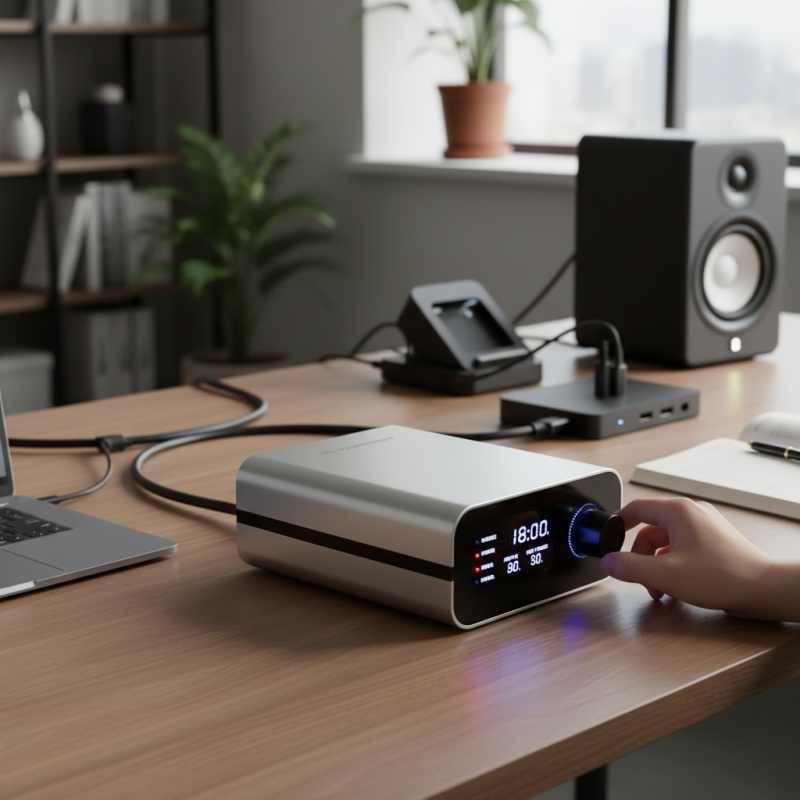
When selecting a Pure Sine Wave Inverter UPS, clarity is essential. This device converts DC to AC power, providing a stable electricity supply. It ensures that sensitive electronics function smoothly. But not all models are created equal.
Consider your specific power needs carefully. How many devices will you connect? What is the total wattage requirement? Evaluating these factors is crucial for making an informed choice. Research different brands and user reviews to gauge reliability.
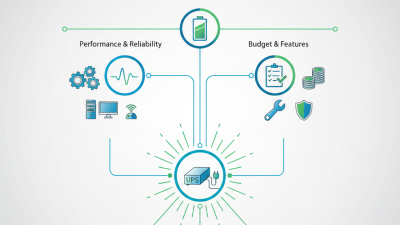
Quality varies significantly. Some products deliver high performance but may have higher costs. Others offer lower price points but compromise on essential features. Balancing quality and affordability requires careful thought. Seek out knowledgeable retailers and guidelines that highlight trusted options. This can enhance your purchasing confidence in the best Pure Sine Wave Inverter UPS for your needs.
Understanding Pure Sine Wave Inverters and Their Applications
Pure sine wave inverters are essential for many applications. They provide clean, high-quality power suitable for delicate electronics. These devices convert DC electricity to AC, mimicking the power from the grid. Their output resembles that of standard wall outlets. This makes them ideal for running sensitive appliances like laptops and medical equipment.
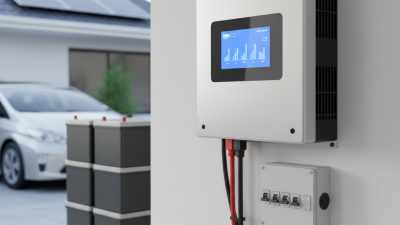
Choosing the right inverter requires understanding its applications. If you plan to use it for solar off-grid systems, a pure sine wave inverter is crucial. It prevents potential damage from voltage spikes. However, when handling devices with motors, such as refrigerators, sine wave inverters ensure smooth operation. Users should consider their specific needs before making a choice. The inverter's wattage and surge capacity must match the appliances it will power.
While pure sine wave inverters are more efficient, they come at a higher cost. Users often face the dilemma of balancing budget and functionality. It’s important to evaluate how often you will need the inverter and for what voltage. Some may find that modified sine wave inverters suffice for less sensitive devices. However, investing in a pure sine wave model often pays off in reliability and functionality.
Key Specifications to Look for in an Inverter UPS
When choosing a pure sine wave inverter UPS, it is essential to consider key specifications that affect performance. One important factor is the output power rating, typically measured in watts. Ensure your inverter can handle the combined load of all devices you plan to connect. For example, if your maximum load is 1000 watts, opt for an inverter rated at least 1200 watts. This gives you a buffer and helps prevent overload.
Another critical specification is the waveform type. Pure sine wave inverters produce a smooth, clean output, which is ideal for sensitive electronics. Avoid modified sine wave inverters for equipment like computers or medical devices, as they may not operate efficiently. Look for models with a long transfer time as well. A quick transfer time minimizes disruption during a power outage, keeping your devices running smoothly.
Tips: Always check efficiency ratings. Higher efficiency means less wasted energy. Additionally, consider inverter weight and size. A portable unit might be beneficial, but ensure it still fits your power requirements. Don't overlook customer reviews and product warranties. These factors can give insight into reliability and performance, easing your decision-making.
Calculating Power Requirements for Your Devices
When choosing a pure sine wave inverter, understanding power requirements is crucial. Begin by identifying the devices you intend to power. Each device has a specific wattage requirement. Look for power ratings, often found on labels or in user manuals. Take note of both starting and running wattages. Starting wattage is generally higher than running wattage. This distinction can impact inverter selection.
Calculate total wattage by adding the requirements of all devices. Consider surge power, which may occur when multiple devices operate simultaneously. It is wise to carry out this calculation before purchasing. Many people overlook this step, leading to underestimations that can cause inverter failure.
Also, factor in the efficiency rating of the inverter. Inverters typically range from 80% to 95% efficiency. Lower efficiency means more power loss. If you frequently run devices at maximum capacity, look for a unit with a higher rating. This choice impacts long-term costs and reliability. Lastly, reevaluate your power needs periodically, especially if you add new devices. Adjust calculations accordingly to avoid future issues.
Power Requirements for Common Devices
Comparing Efficiency Ratings and Performance Metrics
When choosing a pure sine wave inverter UPS, one must focus on efficiency ratings and performance metrics. Efficiency is crucial. According to the U.S. Department of Energy, an efficient inverter can operate above 90%. This reduces energy waste and lowers electricity costs. Look for inverters with high-efficiency ratings as they convert DC to AC power with minimal losses.
Performance metrics such as continuous output power and surge capacity also matter. A quality inverter should sustain its rated output over time. For example, an inverter rated at 3000 watts should deliver that consistently under typical load conditions. Some models have surge ratings significantly higher, which can power devices like refrigerators momentarily.
Additionally, it's vital to consider cooling mechanisms. Inverters generating excessive heat might throttle performance or shorten their lifespan. Reports indicate that overheating can reduce efficiency by up to 20%. Be mindful of ventilation requirements and assess space where the inverter will be deployed. Understanding these facets enhances decision-making and aligns with your specific power needs.
How to Choose the Best Pure Sine Wave Inverter Ups for You?
| Model |
Power Output (W) |
Efficiency (%) |
Total Harmonic Distortion (%) |
Input Voltage Range (V) |
Weight (lbs) |
| Model A |
2000 |
90 |
3 |
10 - 15 |
28 |
| Model B |
1500 |
85 |
5 |
12 - 18 |
25 |
| Model C |
3000 |
92 |
2 |
11 - 16 |
30 |
| Model D |
2500 |
88 |
4 |
10 - 14 |
29 |
Assessing Brand Reliability and Customer Support for Inverter Purchases
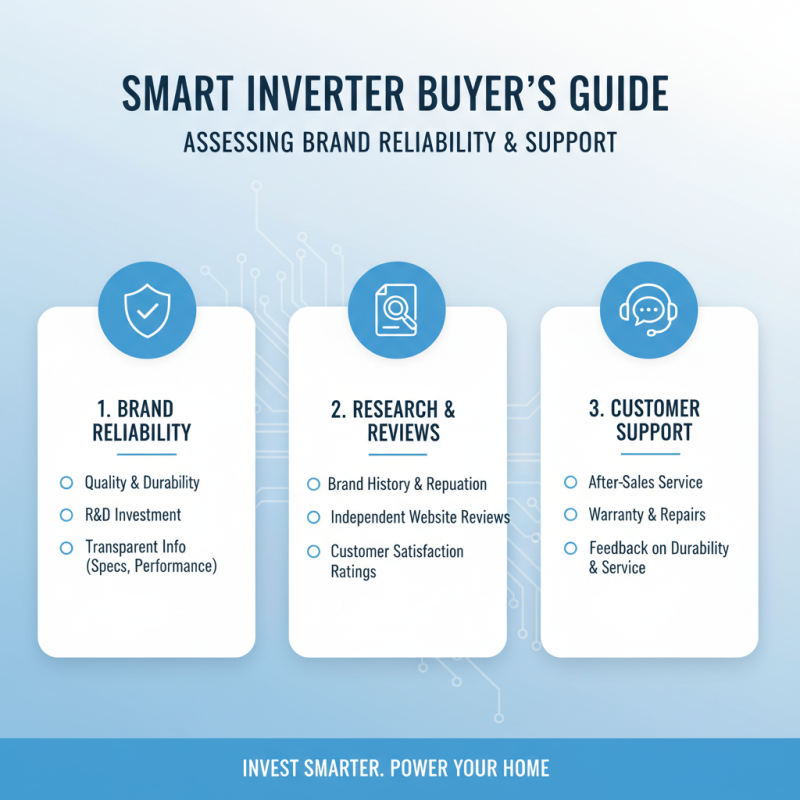
When considering an inverter purchase, brand reliability is critical. A reputable brand usually indicates quality and durability. Reliable brands invest in research and development. They provide transparent information about their products, including specifications and performance. Before buying, research the brand's history and reputation. Read reviews on independent websites to gauge customer satisfaction. Look for feedback on durability and customer service.
Quality customer support should not be overlooked. A brand that offers responsive support can make a difference in your experience. They should provide assistance during setup and troubleshooting. Prompt responses to queries are a sign of a reputable company. Users often share experiences regarding warranty and service. An accessible, knowledgeable support team can ease concerns when issues arise.
Tips: Check online forums for real user insights. Look for warranties longer than average; they indicate confidence in the product. Try to assess the tone and language of customer communications. A brand that engages positively usually cares about its customers. Take time to weigh different options, as rushing can lead to regrets.