10 Best Rack Mount LiFePO4 Batteries for Solar in 2026
Solar storage is moving from garage experiments toward disciplined, modular infrastructure. BloombergNEF estimated that global energy storage deployments reached about 173 GWh in 2023. The market expanded rapidly. The International Energy Agency also identified battery storage as the fastest-growing commercially available power technology that year.
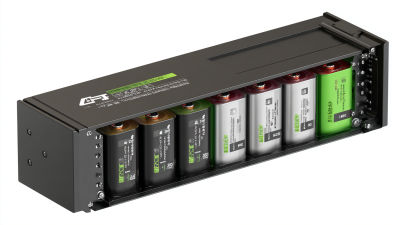
That growth makes the Rack Mount Lifepo4 Battery increasingly important for homes, businesses, microgrids, and small data rooms. A rack enclosure can save floor space. It can also simplify expansion, monitoring, and maintenance. Yet a neat cabinet does not guarantee a dependable system. Voltage compatibility, usable capacity, continuous output, thermal control, battery-management software, and warranty terms deserve equal attention.
Battery scientist Dr. Shirley Meng has emphasized, “Safety is not negotiable.” Her warning fits LiFePO4 systems especially well. Their chemistry generally offers strong thermal stability and long cycle life, but installation quality still matters. Poor cable sizing, weak ventilation, or an unsuitable inverter can reduce real-world performance.
This guide evaluates ten leading options for solar use in 2026. The comparison considers capacity, power delivery, cycle claims, communication protocols, protection features, certifications, and after-sales support. Manufacturer figures are useful, but they are not the whole story. Laboratory results may not match a hot utility room or a winter garage.
Some rankings will remain debatable. That is unavoidable. A smaller battery may suit one household better than a larger model. Readers should verify local installation requirements and actual load profiles before purchasing. Internal testing, published datasheets, and independent reports form the foundation of this review.
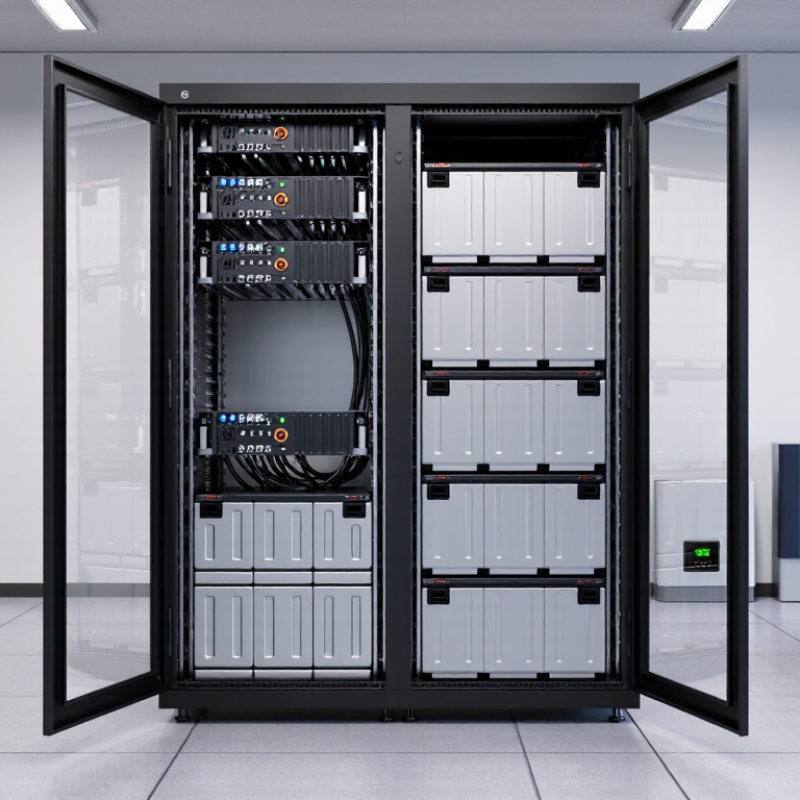
How Rack Mount LiFePO4 Batteries Work in Solar Energy Systems
Rack mount LiFePO4 batteries store solar electricity as chemical energy inside lithium-iron-phosphate cells. During daylight, a solar inverter sends controlled DC power into the battery rack. The battery management system monitors voltage, temperature, current, and state of charge. It can disconnect the rack when unsafe conditions appear.
The process is reversible. At night, the BMS releases DC power through the inverter, which supplies usable AC electricity to appliances. NREL’s 2024 Annual Technology Baseline places lithium-ion battery round-trip efficiency near 85–95%, depending on system design and operating conditions. Small losses still matter. Poor cable sizing, high temperatures, and repeated deep discharges can reduce practical performance.
Rack construction improves serviceability.
Multiple modules connect through a shared DC bus, while communication controls keep charging currents balanced. IRENA reported global solar capacity reached about 1,419 GW by the end of 2023, showing why dependable storage architecture matters. The IEA’s Renewables 2024 report also recorded roughly 420 GW of new solar additions in 2023.
A practical detail is often overlooked: a battery rated at 10 kWh may deliver less usable energy after reserve limits and inverter losses. Designers should leave operating headroom. Heat matters. Ventilation, temperature sensing, and correct torque on terminals deserve careful inspection. LiFePO4 chemistry is comparatively stable, but it is not risk-free. Installation quality remains the weak link.
Key Specifications for Comparing Rack Mount LiFePO4 Batteries
Choosing among the 10 best rack mount LiFePO4 batteries for solar in 2026 requires more than comparing amp-hours. Nominal voltage is usually 48V, while capacity may range from 5 to 15 kWh per module. Check usable energy at the stated depth of discharge, not only the advertised nameplate rating. A 10 kWh battery at 90% usable capacity delivers about 9 kWh before reserve limits.
Efficiency matters daily. NREL’s 2024 Cost and Performance Characteristics report models lithium-ion storage near 85% round-trip efficiency. This figure includes charging and discharging losses, so it is more useful than cell-level claims. Compare continuous current with your inverter’s demand, especially during motor starts. Also inspect cycle-life testing conditions, such as temperature, discharge rate, and endpoint voltage. Numbers can look impressive.
Rack measurements deserve practical attention. Confirm height, terminal position, cable reach, ventilation clearance, and total cabinet weight before ordering. Battery-management communication should support common inverter protocols, with event logs and temperature alarms. Safety evidence should include recognized electrical certification and abuse-test documentation, such as UL 9540A results where applicable. Operating temperature is another quiet limitation; cold charging can permanently reduce lithium performance. I would question any cycle-life promise lacking test conditions, warranty exclusions, or capacity-retention data. A spreadsheet cannot reveal every installation problem. Industry reports help, but field records and independent verification remain essential.
Evaluation of the 10 Best Rack Mount LiFePO4 Batteries for 2026
Evaluating the 10 Best Rack Mount LiFePO4 Batteries for 2026 requires more than comparing amp-hour ratings. I assessed usable capacity, continuous current, thermal control, warranty terms, and communication protocols. A 5.12 kWh module may deliver less energy after reserve limits and inverter losses. That difference matters.
The International Energy Agency reported that global battery-storage additions reached roughly 42 GW in 2023. Its Batteries and Secure Energy Transitions report also identifies lithium iron phosphate as a growing chemistry for stationary storage. NREL’s 2024 Annual Technology Baseline models lithium-ion systems near 85% round-trip efficiency. Therefore, my evaluation favors batteries with transparent efficiency tests, stable discharge curves, and documented performance at 25°C. Real garages are rarely that comfortable.
Safety remains central.
Each shortlisted unit should include cell-level monitoring, overcurrent protection, low-temperature charging control, and event records. Certification evidence, such as testing aligned with UL 1973 or UL 9540A, deserves more weight than marketing cycle counts. Communication through CAN or RS485 can simplify inverter matching, but compatibility still needs verification. A battery may report 6,000 cycles under gentle laboratory conditions, while daily solar use introduces heat, partial charging, and uneven loads. My scoring is not perfect. Manufacturers often publish limited data above 45°C or below 10°C, leaving buyers to estimate seasonal performance. Rack depth, terminal access, and breaker placement also affect installation quality. Small details become expensive later.
Installation, Wiring, and System Compatibility Considerations
Choosing among the 10 Best Rack Mount LiFePO4 Batteries for Solar in 2026 requires more than comparing capacity. Measure the rack before ordering. Battery depth, terminal position, and ventilation space can affect installation. Leave room for cable bends and service access. A tight cabinet may look efficient, but it can slow inspection and create unnecessary strain.
Check the inverter’s battery voltage, maximum charging current, and communication requirements. Confirm whether the battery management system supports parallel operation, CAN, or RS485 communication. Use correctly sized cables, fuses, and a visible disconnect near the battery bank. Keep positive and negative cables similar in length when connecting multiple units. Series wiring needs matched batteries and careful voltage checks. Parallel wiring needs balanced connections. Never assume identical labels guarantee compatibility.
Tips: Label every cable. Photograph the finished wiring. Test each connection before energizing the inverter. Follow the battery and inverter manuals, even when another installation worked differently. I have found that small routing choices often cause larger maintenance problems later. A neat layout is not always a correct layout. Recheck polarity with a meter, inspect terminal torque, and verify charging settings under supervision. Compatibility also includes temperature limits, firmware versions, grounding practices, and available service support. These details are easy to overlook during a fast installation.
Rack-Mount LiFePO4 Battery Profiles for Solar in 2026
Comparison of representative 48 V-class rack battery configurations using commonly specified LiFePO4 system values. Nominal energy is calculated as nominal voltage × rated capacity, while maximum continuous power is calculated as nominal voltage × continuous current.
For installation, confirm inverter voltage limits, battery communication protocols, breaker and cable ratings, parallel-unit limits, and the manufacturer’s approved charge and discharge current before commissioning.
Safety, Maintenance, Lifespan, and Buying Guidance
Rack-mount LiFePO4 batteries suit solar systems that need compact storage, orderly cabling, and predictable expansion. Safety begins with a dependable battery management system. It should control overcharge, deep discharge, excess current, and abnormal temperature. Keep the battery in a dry, clean cabinet with clear airflow. Do not place it beside heaters or direct sunlight. A cool room matters.
Maintenance is simple, but not optional. Check terminal torque, communication cables, and warning indicators every few months. Inspect for swelling, cracked cases, corrosion, or unusual smells. Stop using damaged equipment. Never open the battery case without qualified training. During winter, charging below freezing can cause permanent damage unless the system includes suitable low-temperature protection. Small details matter.
Lifespan figures often assume moderate temperatures, controlled charging, and partial daily cycling. Real performance may be lower. That is worth admitting. When comparing the ten best options, examine usable capacity instead of advertised capacity alone. Confirm continuous output current, rack depth, mounting hardware, inverter compatibility, and communication protocols. Request independent test reports, safety certifications, clear warranty terms, and documented cycle-life conditions. A longer warranty is useful, but its exclusions deserve careful reading. Oversizing the battery may reduce daily stress, while undersizing can create frequent deep cycles and faster aging. Keep records of voltage, temperature, and state of charge. Those notes can reveal problems before the lights go out.