How to Choose the Best Rack Mount Lifepo4 Battery?
When selecting a Rack Mount Lifepo4 Battery, the choice can be daunting. Industry expert Dr. Emily Chang notes, "The right battery can significantly impact performance." This insight emphasizes the importance of careful consideration in your selection.
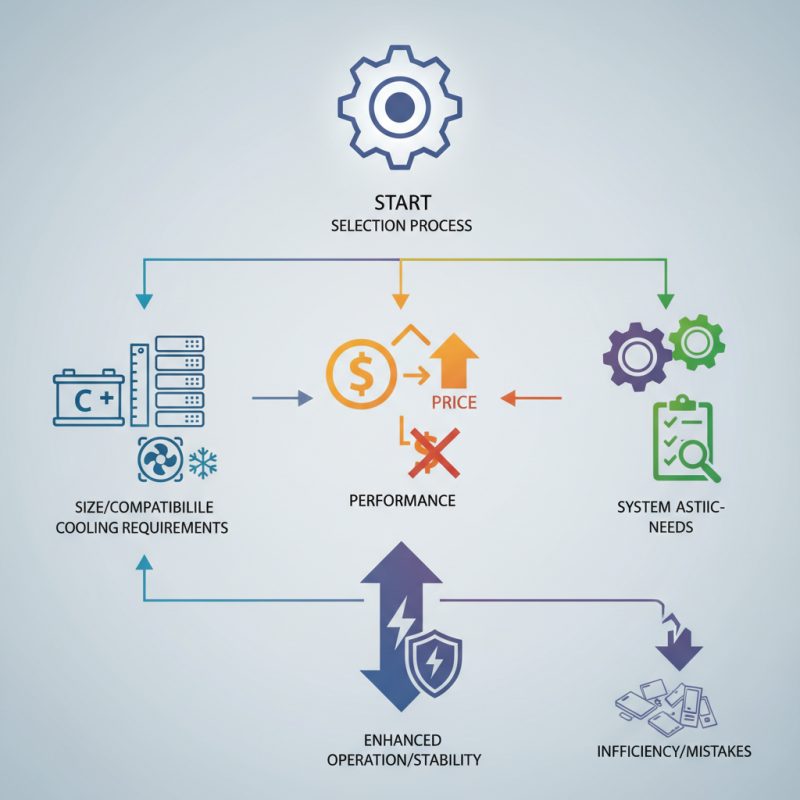
A Rack Mount Lifepo4 Battery is essential for many applications. It provides efficient energy storage and stability. However, not every battery suits every need. Key factors such as capacity, size, and cooling requirements must align with your specific setup.
Many users make common mistakes. They often overlook compatibility with existing systems. Others focus solely on price rather than performance. Taking the time to assess your needs will lead to better outcomes. The right choice can enhance your operation while the wrong one can lead to inefficiencies.
Understanding Lifepo4 Battery Technology and Benefits
Lithium Iron Phosphate (LiFePO4) battery technology offers impressive benefits for various applications. This type of battery is known for its stability and safety. The chemistry of LiFePO4 provides exceptional thermal stability. It is less prone to overheating compared to other lithium batteries. This feature makes it a popular choice for environments with high temperatures.
LiFePO4 batteries have a long cycle life, often exceeding 2000 charge cycles. This longevity can be economically beneficial over time. However, they may have a lower energy density compared to other lithium options. This means that while they last longer, they may take up more space for the same energy output. Users should consider whether space is a priority in their specific application.
Another advantage is their environmental friendliness. They do not contain harmful metals found in other types of batteries. Still, manufacturers must ensure proper disposal and recycling practices. Potential users should reflect on their power needs and spaces carefully. Selecting the right battery involves evaluating these characteristics against personal or project requirements.
Key Factors to Consider When Choosing a Rack Mount Battery
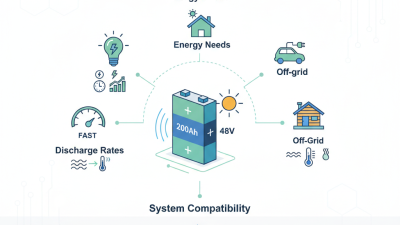
Choosing a rack mount Lifepo4 battery involves various key factors. Capacity is crucial. It determines how long your system can run. Most applications require batteries with capacities ranging from 10Ah to 150Ah. Reports indicate that many users often underestimate their power needs. This can lead to suboptimal performance.
Another factor is discharge rate. Lifepo4 batteries typically deliver high discharge rates. Look for batteries that offer continuous discharge rates of 1C or higher. This ensures they can handle peak loads. Research shows that batteries with lower discharge capabilities may fail during critical operations. It's essential to match the battery's discharge rate with your application.
[Image]
Physical size and weight also matter. Rack mount batteries need to fit in specific spaces. Users often overlook weight limits in racks. If a rack cannot support the battery's weight, it leads to issues. Additionally, battery lifespan is a significant consideration. Lifepo4 batteries usually last between 2000 to 5000 cycles. Selecting a battery with a good cycle life can save costs long-term. Pay attention to warranty terms as well. Some providers offer extensive warranties, indicating confidence in their product.
Assessing Size and Compatibility with Your Rack System
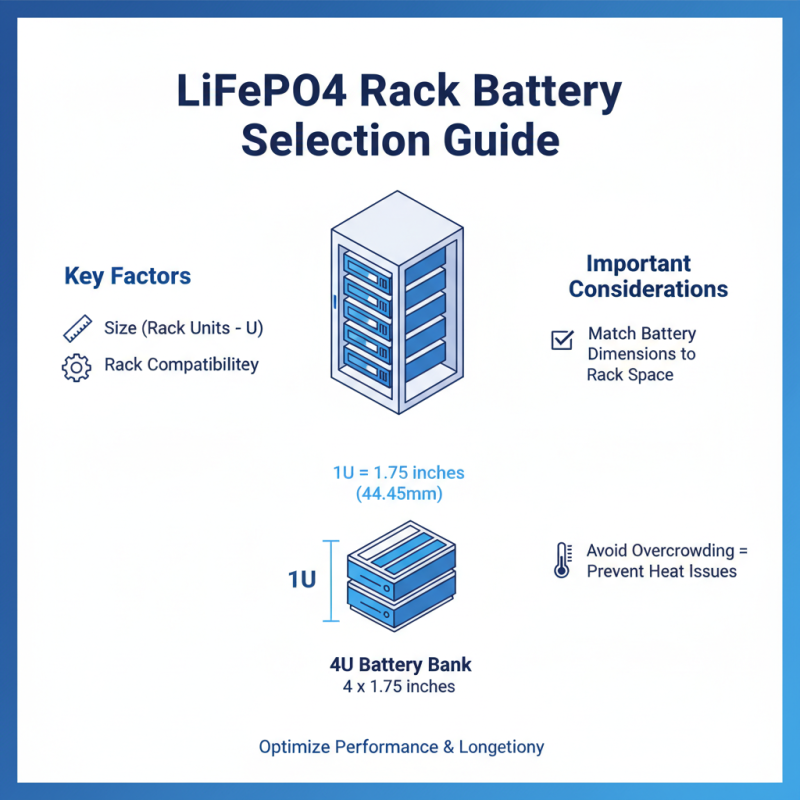
When selecting a rack mount LiFePO4 battery, size and compatibility with your rack system are key factors. The dimensions of your battery should match your available rack space, which typically adheres to standard sizes. For instance, rack units (U) are common measurements. A 1U battery is approximately 1.75 inches tall. A typical rack can hold multiple units, but overcrowding can lead to heat issues.
Proper airflow is crucial. Batteries need sufficient ventilation to prevent overheating, which can degrade performance. Reports show that improper ventilation can reduce battery lifespan by 20% on average. Ensuring your battery fits well within the rack can help optimize cooling.
Consider weight distribution. A poorly balanced rack can tip or damage equipment. Many rack mount batteries weigh around 40-60 pounds. If your design is not stable, it is a critical flaw. Assessing the compatibility of your battery with existing equipment is just as important. Some battery systems may not integrate smoothly with certain inverters or UPS systems, leading to functionality issues. Compatibility charts and user feedback are invaluable tools in this evaluation process. Each detail counts when securing a reliable power solution.
Evaluating Energy Capacity and Discharge Rates
When evaluating energy capacity and discharge rates for rack mount Lifepo4 batteries, it’s crucial to understand key specifications. The energy capacity, often measured in amp-hours (Ah), indicates how much energy the battery can store. For instance, a battery rated at 100 Ah can theoretically provide 100 amps for one hour before depletion. However, real-world performance varies due to factors like temperature and load conditions. Data from industry reports suggest that efficiency decreases significantly at higher discharge rates.
Discharge rates, usually expressed as C-rates, inform users how quickly a battery can release energy. A battery rated at 1C discharges fully in one hour, while a 2C rating means it can deliver its capacity in 30 minutes. It’s essential to match these ratings to your power needs. Using a battery with a discharge rate that is too high can lead to overheating and potential failure. Conversely, underutilizing the battery's capacity can result in wasted energy and increased costs.
Consider the application where the battery will be used. A data center may require consistent power supply, favoring batteries with lower discharge rates for higher efficiency. In contrast, an on-site renewable energy project may benefit from higher discharge rates to manage varying loads. Balancing capacity and discharge rates requires thoughtful evaluation of use cases and performance data. An informed choice can lead to better longevity and reliability in operation.
Comparison of Lifepo4 Battery Energy Capacity and Discharge Rates
Comparing Safety Features and Certifications in Battery Options
When selecting a rack mount LiFePO4 battery, safety features and certifications play a crucial role. Industry reports indicate that nearly 80% of battery-related incidents stem from inadequate safety measures. It's essential to prioritize batteries that meet international standards. Certifications like UL 1973 and IEC 62619 are markers of safety resilience. Batteries with such certifications undergo rigorous testing, ensuring thermal stability and electrical safety. A battery lacking these certifications may not just be inefficient; it can also pose a higher safety risk.
The chemistry of LiFePO4 batteries grants them impressive thermal stability, yet not all manufacturers demonstrate adherence to safety protocols. One study revealed that batteries produced without recognized certifications had a 25% higher failure rate during stress tests. Always look for a battery with internal protection features, like over-current and short-circuit prevention. A battery’s build quality matters significantly. Thin casing can lead to physical damage and potential hazards. Choose batteries with solid, durable enclosures. They not only enhance safety but also improve longevity under stress. Remember, overlooking these details can lead to dire consequences.