What Is a Solar Voltage Regulator and How Does It Work?
A Solar Voltage Regulator, often called a solar charge controller, manages the electricity flowing from solar panels to a battery. In bright midday sun, a panel’s output can rise above the voltage a battery should receive. The regulator adjusts that flow to support safe, effective charging. It also helps prevent overcharging, which can shorten battery life or create operating risks.
The basic idea is simple. The details matter. Some regulators use pulse-width modulation, or PWM, while others use maximum power point tracking, or MPPT. MPPT models can convert excess panel voltage into useful charging current, but they are not automatically the best choice for every setup. Panel output, battery chemistry, system voltage, and operating conditions all affect the match. A small cabin system and a larger rooftop array may need very different equipment.
A regulator is not a substitute for properly sized wiring, compatible batteries, or careful installation. Look for clear ratings and charging settings that match the battery maker’s guidance. A display showing charging current can be useful, though it does not explain every change in performance. That part is easy to overlook. Real systems face clouds, heat, and aging components; textbook diagrams rarely show that messiness. Understanding how the regulator responds to those conditions makes it easier to choose suitable equipment and spot problems before they damage a battery.
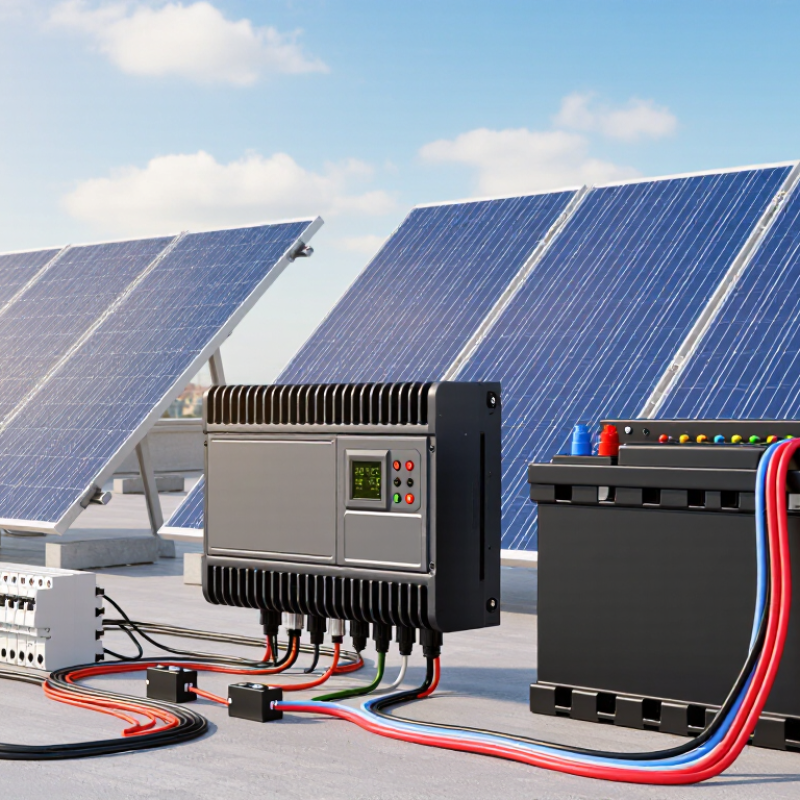
What a Solar Voltage Regulator Is and Where It Fits in a Solar System
A solar voltage regulator sits between the solar panels and a battery in many off-grid systems. It controls the electricity reaching the battery as sunlight and panel output change. Small device. Important job. Without suitable regulation, charging voltage may exceed the battery’s limits and shorten its service life. Some equipment is called a charge controller, though “voltage regulator” can describe different devices. Check the product specifications rather than relying on the label alone.
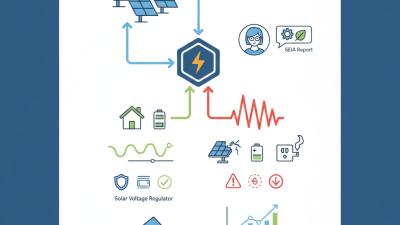
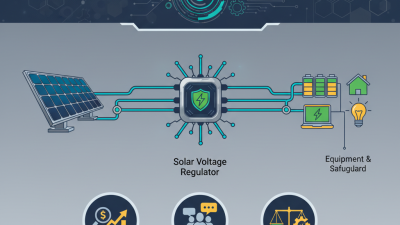
In a typical setup, wires run from the panel array to the regulator, then onward to the battery. DC loads may connect through a regulated load terminal, if the unit provides one. An inverter usually draws power from the battery to supply AC appliances. The regulator is not an inverter. Some controllers use pulse-width modulation; others use maximum power point tracking to manage panel output. The right choice depends on panel voltage, battery type, and system size. A mismatch can waste energy or cause charging problems. Readings on a small display can help, but they do not replace checking wiring and settings. It is easy to assume every controller works the same way. That assumption deserves a second look.
The Main Components and Their Roles
A solar voltage regulator, often called a charge controller, manages power moving from solar panels to a battery. Its input terminals receive the panel’s changing voltage and current. Inside, electronic switches adjust that flow to suit the battery. The control circuit acts like a careful gatekeeper. It monitors voltage and, in many models, temperature. These readings help prevent overcharging and reduce the risk of excessive discharge when a load is connected. Small details matter.
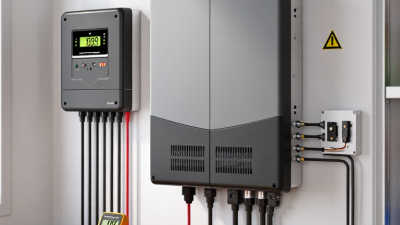
The switching section commonly uses pulse-width modulation (PWM) or maximum power point tracking (MPPT). A PWM controller limits charging by rapidly switching current on and off. An MPPT controller adjusts its electrical operating point to draw useful power from the panels, especially when panel and battery voltages differ. Battery terminals carry regulated charging power; separate load terminals may disconnect selected devices when battery voltage falls too low. Fuses and protective circuits help address faults, while indicator lights or a display show operating status. They do not replace a meter. In practice, the component roles overlap, and labels can be easy to misread. Checking the wiring diagram and matching the controller to the panel and battery specifications are sensible steps.
How the Regulator Controls Power Step by Step
A solar voltage regulator sits between the panels and battery, controlling how energy moves. Step one: it measures panel voltage and battery condition. Step two: it limits current or converts excess voltage into useful charging current. With pulse-width modulation, the controller rapidly switches the connection on and off. With maximum power point tracking, it adjusts the electrical load to capture more panel power as sunlight changes.
Then it follows the battery’s charging profile. It may use bulk charging, absorption, and float stages, with limits set for the battery chemistry. When the battery nears its voltage ceiling, the regulator reduces charging current. It can also disconnect loads during low-voltage conditions. Settings matter; a mismatch can shorten battery life. NREL’s PVWatts documentation uses a 14% default for total photovoltaic system losses. That figure covers multiple system losses, not the regulator alone, a useful distinction when estimating output.
Tips: Check the regulator’s battery-type setting and rated current against your system. Keep terminals dry and snug. A warm cable deserves attention. Follow the manufacturer’s wiring sequence, and verify charging voltage with a meter rather than relying only on indicator lights.
Common Regulator Types and Their Differences
A solar voltage regulator, often called a charge controller, manages power flowing from panels to a battery. It limits charging voltage and helps prevent overcharging. The main choices are basic on/off, PWM, and MPPT controllers. Each suits different panel and battery setups.
A basic on/off controller stops charging when the battery reaches its voltage limit. It is simple, but charging may restart only after voltage falls. A PWM controller rapidly switches the connection, bringing panel voltage close to battery voltage. It can work well when panel and battery voltages are closely matched. An MPPT controller tracks the panel’s maximum-power point, then converts surplus voltage into charging current. That can be useful on cold days or with higher-voltage panel strings. Not magic. Conversion losses and correct sizing still matter.
IEA PVPS reported at least 407 GW of new solar PV capacity installed worldwide in 2023. That rapid growth makes choosing a suitable controller more than a minor wiring detail. Check the panel’s operating voltage, battery chemistry, maximum charging current, and installation conditions against the controller’s specifications. A mismatch can waste energy or create charging problems. One easy assumption to question: MPPT is not automatically the best choice for every small system; the added capability may not justify its cost when panel and battery voltages already align.
What Is a Solar Voltage Regulator and How Does It Work?
Compare how PWM and MPPT controllers operate with the same example: a solar panel with a maximum-power voltage (Vmp) of 18 V charging a battery at 13 V.
In this example, a PWM controller pulls the panel’s operating voltage close to the battery voltage. An MPPT controller tracks the panel near its 18 V maximum-power point and converts the excess voltage into charging current. Actual operating values vary with the panel, battery, and conditions.
Key Factors in Choosing and Maintaining a Regulator
Choosing a solar voltage regulator starts with matching it to the panel array and battery bank. Check the regulator’s maximum input voltage against the panels’ open-circuit voltage, allowing for colder conditions, which can raise voltage. Its current rating must also suit the array’s output. A modest safety margin is sensible; undersizing may cause overheating or limit charging. A neat specification sheet can still mislead if the system’s actual wiring differs.
Battery chemistry matters. Lead-acid and lithium batteries use different charging profiles, and some lithium batteries require settings approved by their battery manufacturer. Confirm the regulator supports the battery’s voltage and charge limits. Temperature compensation can help some batteries, but it is not suitable for every chemistry. Small details matter. A sensor placed in direct sun, for example, may report an inaccurate temperature.
Maintenance is mostly careful observation. Keep vents clear, look for corrosion or loose connections, and check that display readings remain plausible. Dust on a screen is harmless; dust blocking ventilation is not. Review charging data after seasonal changes or system adjustments. If the regulator repeatedly reports overheating or charging faults, consult its manual and check the installation before replacing parts. Even a well-sized unit may perform poorly when connections are long, undersized, or exposed to heat. I would not treat one day of unusual readings as proof of failure; compare them with the system’s normal behavior first.